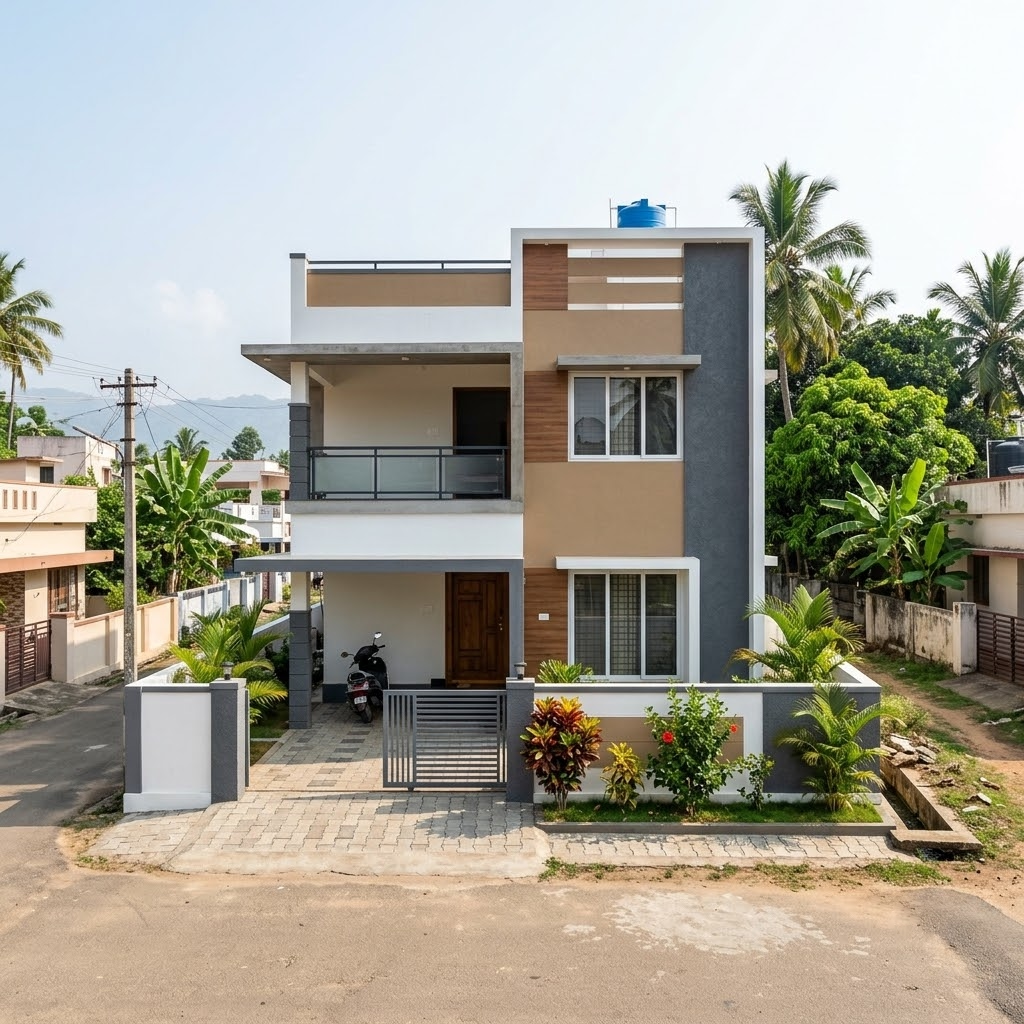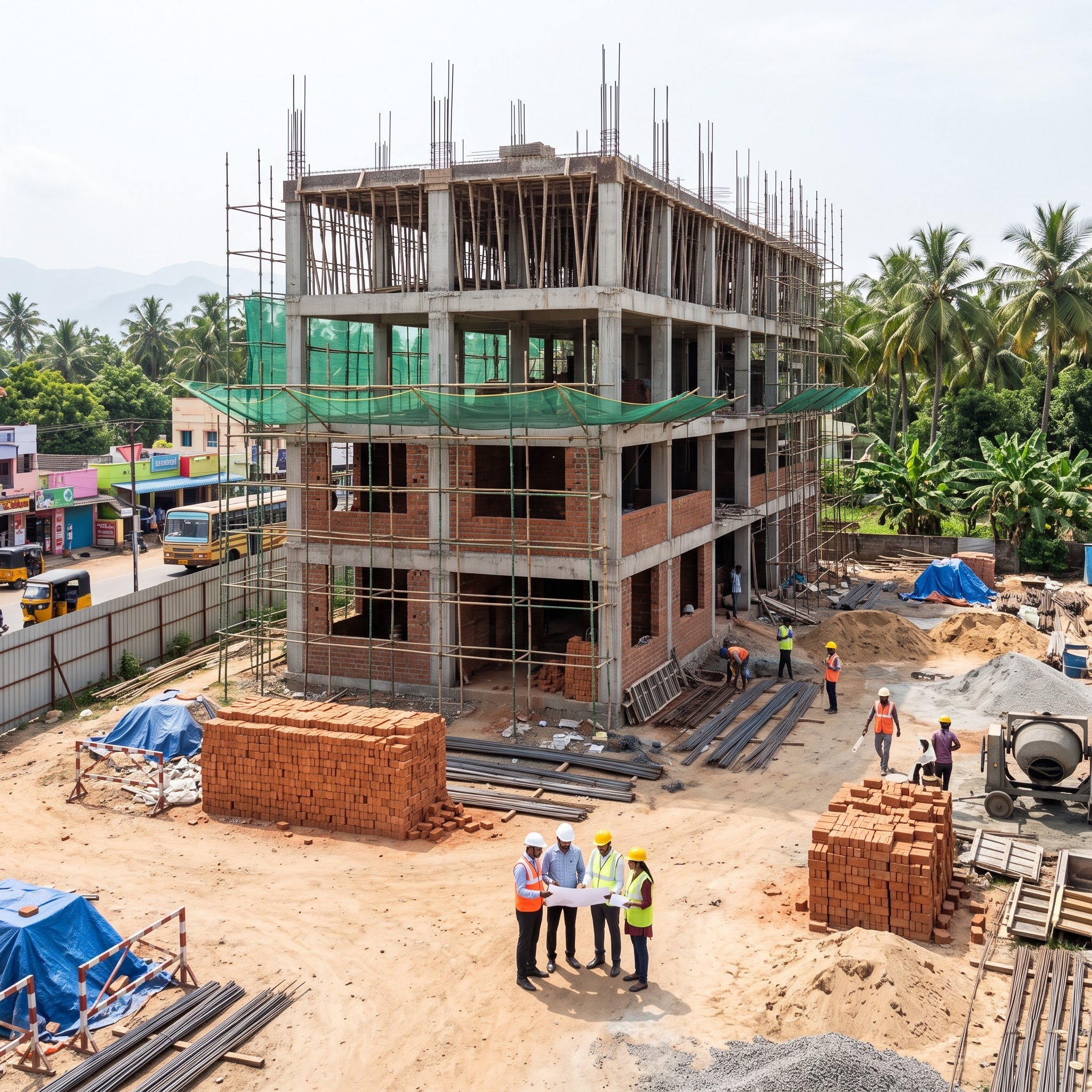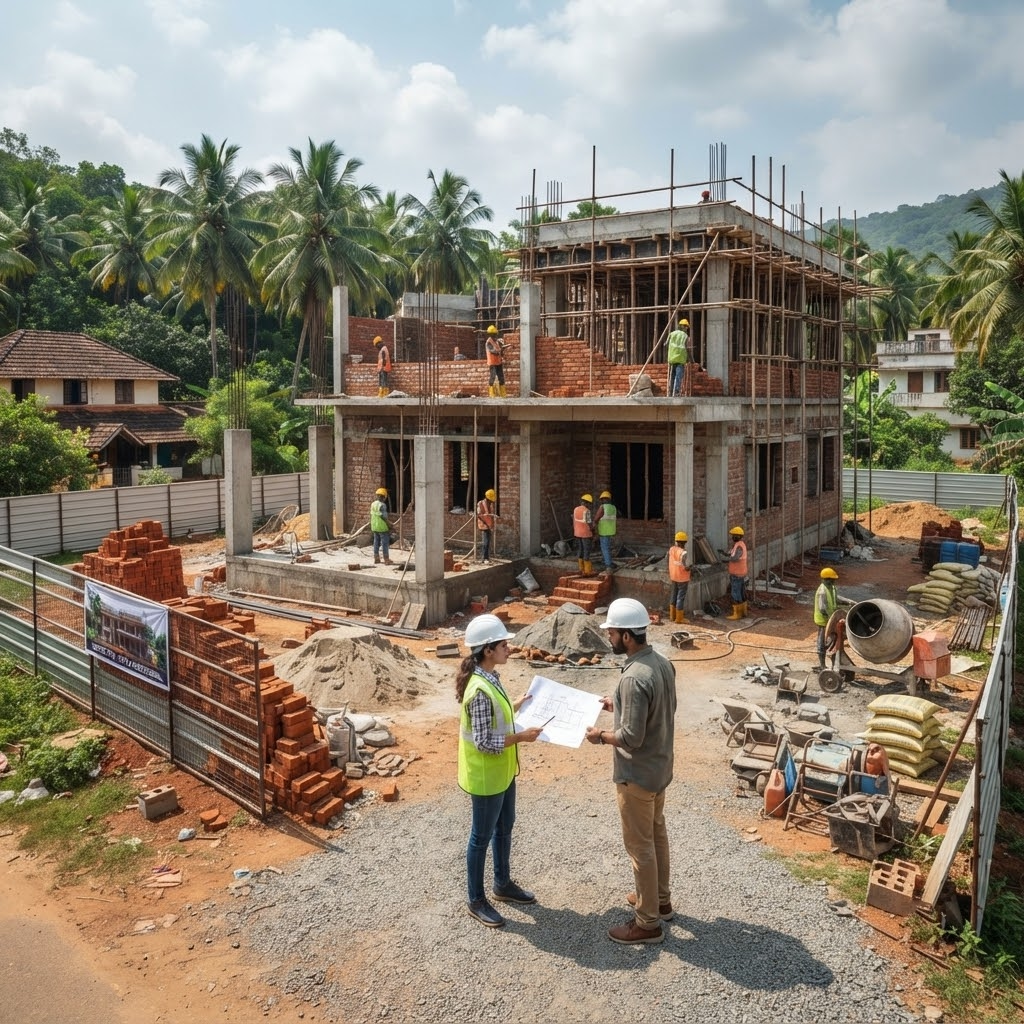
Building a home is a major financial and personal decision. Therefore, every construction agreement should clearly define responsibilities, costs, materials, and timelines. A detailed contract helps prevent misunderstandings during construction. It also gives both parties a clear reference when questions arise.
When choosing a Building Construction Company in Nagercoil, review the contract carefully before signing. Never rely only on verbal promises or informal messages. Every important commitment should appear in the written agreement. This approach creates clearer expectations throughout the project.
A strong contract should also match the approved drawings and project specifications. It should explain what the contractor will provide and what the homeowner must provide. Government contract documents also commonly distinguish contract prices, variations, taxes, and responsibilities.
Why a House Construction Contract Matters
A house construction contract works like a roadmap for your project. It defines the agreed work, materials, payment terms, and completion expectations. Without clear terms, small misunderstandings can become expensive disputes. Therefore, homeowners should understand every major clause before signing.
A reliable Building Construction Company in Nagercoil should explain the agreement clearly. The homeowner should also ask questions about unclear items. Ideally, both parties should approve drawings, specifications, schedules, and prices together. Written clarity becomes especially valuable when construction conditions change.
Protecting the Homeowner and Contractor
The contract should protect both parties fairly. Homeowners need clarity about quality, payments, deadlines, and included work. Contractors need clarity about approvals, site access, payments, and requested changes. Therefore, a balanced agreement reduces confusion for everyone.
The contract should also identify how changes will receive approval. Written variation procedures are common in formal construction agreements. Government procurement documents, for example, require agreed scope changes before changing contract prices.
1. Names and Project Details
Start with complete details for everyone involved. Include the homeowner’s full name, address, contact details, and identification information. Then, include the contractor’s legal business name, address, and contact information. Clearly identify the construction site using its complete address.
The agreement should also include the contract date. Add the planned construction start date and expected completion date. Mention the house type, approximate built-up area, and number of floors. These details create a clear identity for the project.
For a Building Construction Company in Nagercoil, local project details should remain specific. Mention the exact site location in Nagercoil or the relevant Kanyakumari district area. This prevents confusion when contractors manage multiple projects.
2. Detailed Scope of Work
The scope of work forms the heart of your construction agreement. It should explain every major activity included within the contract. Avoid vague phrases such as “complete house construction.” Instead, describe the actual work and deliverables.
The scope can cover excavation, foundation, columns, beams, slabs, masonry, plastering, flooring, painting, electrical work, and plumbing. It can also cover doors, windows, kitchen work, bathrooms, and external development. Every inclusion should match the approved specifications.
Structural Construction
The agreement should identify the structural work included in the project. Mention foundation work, reinforcement, concrete, columns, beams, slabs, and masonry. The structural design should follow the approved engineering drawings. Material grades and technical specifications should also be documented.
Finishing and Installation Work
Finishing details can create major cost differences between projects. Therefore, specify flooring types, sanitary fittings, electrical fixtures, doors, windows, paint systems, and kitchen finishes. Mention brands or approved alternatives when appropriate.
A professional Building Construction Company in Nagercoil should provide enough detail for meaningful comparison. This prevents a low initial quotation from hiding later exclusions.
3. Approved Drawings and Specifications
Attach the latest approved architectural and structural drawings to the contract. Include electrical, plumbing, elevation, and other relevant drawings. Each drawing should have a revision number or date. This helps everyone identify the correct version.
The written specifications should match those drawings. If a conflict occurs, the contract should explain which document takes priority. This simple clause can prevent unnecessary arguments during construction.
4. Materials and Quality Standards
Material specifications should be precise rather than generic. Identify the required cement, steel, concrete, blocks, tiles, electrical products, plumbing materials, and fixtures. Where brands matter, mention approved brands or acceptable equivalents.
Also clarify who purchases and supplies each material. Specify whether material costs include transportation and handling. Explain how substitutions require approval. A contractor should not replace specified products without following the agreed process.
Choosing a Building Construction Company in Nagercoil becomes easier when material specifications remain transparent. You can compare quotations based on similar specifications instead of headline prices.
5. Contract Price and Payment Schedule
The agreement should state the total contract value clearly. Explain whether the price covers labour, materials, equipment, transportation, taxes, and other charges. Also identify exclusions separately.
A payment schedule should connect payments with measurable project stages. For example, payments may follow foundation, structural, masonry, finishing, and handover milestones. Avoid making large payments without defined progress.
The agreement should also explain payment deadlines. Include the preferred payment method and documentation required for each stage. Government contract documents similarly distinguish contract prices and payment-related conditions.
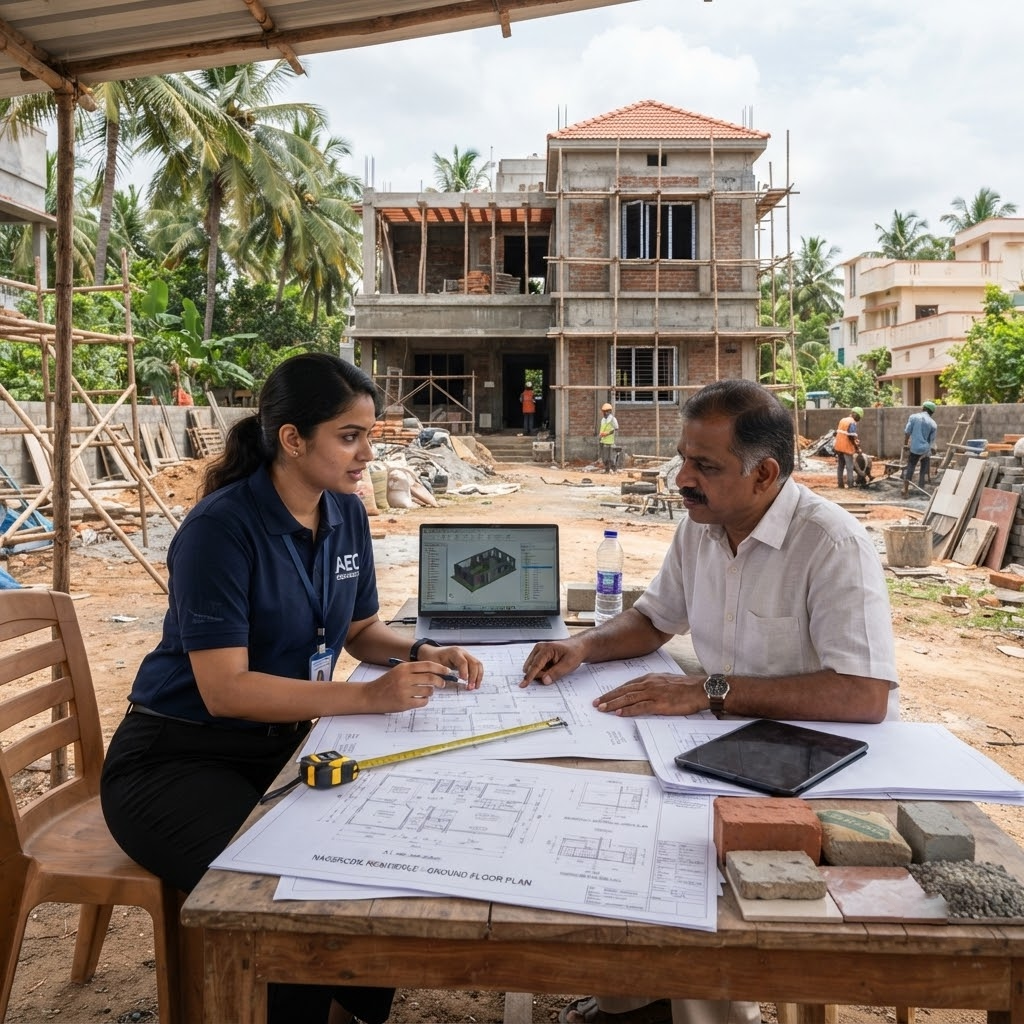
6. House Construction Packages and Inclusions
Many homeowners compare House Construction Packages in Nagercoil before selecting a contractor. However, package names alone do not tell you what the final cost includes. Always request a detailed inclusion and exclusion list.
A package may include structural work, flooring, painting, electrical work, plumbing, doors, windows, and basic fixtures. Another package may exclude several finishing items. Therefore, compare specifications instead of comparing package prices alone.
When reviewing House Construction Packages in Nagercoil, ask about every major category. Check whether design fees, approval support, site preparation, external works, and fixtures are included. This process gives you a more realistic project budget.
7. Project Timeline and Completion Date
Your contract should include an estimated construction duration. It should also specify the planned start and completion dates. However, construction schedules can depend on approvals, weather, material availability, and homeowner decisions.
Therefore, the agreement should define acceptable reasons for extensions. It should also explain how delays will be documented. A written progress schedule can make project monitoring easier.
A dependable Building Construction Company in Nagercoil should communicate progress regularly. Homeowners should also complete selections and approvals within agreed timelines. Both sides influence the project’s final completion date.
8. Change Orders and Extra Work
Changes are common during home construction. You might change tiles, add lighting, modify cabinetry, or alter room layouts. However, verbal changes can create serious cost disagreements.
Every change should receive written approval before execution. The document should state the additional cost or credit. It should also explain any impact on the completion date.
For example, a homeowner could request upgraded flooring after construction begins. The contractor should provide the revised cost before purchasing materials. This process keeps the project financially transparent.
9. Approvals and Responsibilities
The contract should identify who handles building approvals and related documentation. Responsibilities can include drawings, applications, permissions, inspections, and certificates. Requirements vary according to the project and applicable local rules.
Homeowners should never assume that every approval automatically forms part of a construction package. Ask for written confirmation about each responsibility. Also identify fees that remain payable by the homeowner.
This becomes especially important when comparing House Construction Packages in Nagercoil. Two packages can appear similar while carrying different approval responsibilities.
10. Defect Liability and Warranty Terms
The agreement should explain how construction defects will be reported and corrected. Define the process for notifying the contractor about defects. Also specify reasonable response and rectification procedures.
Warranty terms should identify the covered work and applicable duration. Separate structural issues from product warranties when necessary. Manufacturer warranties may follow different conditions than contractor workmanship warranties.
Indian legal requirements can vary depending on the nature of the project and agreement. Therefore, homeowners should obtain professional legal advice for contract-specific questions. Do not copy warranty clauses blindly from another project.
11. Site Safety and Labour Responsibilities
Construction involves workers, equipment, materials, and changing site conditions. Therefore, the agreement should clearly allocate site responsibilities. It should address labour supervision, safety practices, housekeeping, and protection of completed work.
The Building and Other Construction Workers framework includes employer responsibilities related to construction safety and supervision. Contract terms should therefore align with applicable safety requirements.
The agreement should also clarify responsibility for damage caused by workers or subcontractors. Clear responsibility reduces confusion when accidents or property damage occur.
12. Delay, Force Majeure, and Extensions
Construction contracts should address unexpected events. Examples can include severe weather, government restrictions, major supply disruptions, or other events beyond reasonable control. The contract should define which circumstances qualify for additional time.
It should also explain the notification procedure. For example, the affected party may need to provide written notice within a specified period. The agreement should explain how the revised completion date will be determined.
A clear delay clause protects both parties from unrealistic expectations. It also creates a consistent process when circumstances change.
13. Termination and Dispute Resolution
The agreement should explain when either party can terminate the contract. It should also define notice requirements and outstanding payment responsibilities. Include procedures for measuring completed work after termination.
A dispute resolution clause can explain how disagreements should be handled. Parties may choose negotiation, mediation, arbitration, or appropriate legal remedies. The exact wording should suit the project and applicable law.
When selecting a Building Construction Company in Nagercoil, ask how disputes are handled before signing. A clear process is better than deciding procedures after a disagreement begins.
14. Handover and Final Inspection
The contract should explain the final handover process. Include inspection, snag correction, cleaning, key handover, and relevant documentation. Also identify the documents the homeowner should receive.
These documents may include warranties, manuals, drawings, invoices, and applicable certificates. The exact requirements depend on the project. Therefore, list expected documents directly in the agreement.
A final inspection should confirm that agreed work has been completed. Any outstanding items should receive a written completion schedule.
15. Practical Checklist Before Signing
Before signing, review the contract line by line. Check the scope, drawings, specifications, payment schedule, timeline, and exclusions. Then verify every promised feature against the written agreement.
When comparing House Construction Packages in Nagercoil, use the same checklist for every quotation. Ask contractors to clarify unclear exclusions before comparing prices. This creates a more meaningful comparison.
Before choosing a Building Construction Company in Nagercoil, check these essential points:
- Complete scope of work
- Approved drawings and specifications
- Material brands and quality standards
- Total contract price
- Payment milestones
- Project completion timeline
- Change-order procedure
- Warranty and defect terms
- Handover requirements
- Termination and dispute procedures
A contract should make the project easier to understand. It should not leave important decisions hidden inside assumptions.

Conclusion
A house construction contract should provide clarity before construction begins. It should define the work, materials, price, payment stages, timeline, responsibilities, and quality expectations. It should also explain changes, delays, defects, handover, and dispute procedures.
If you are hiring a Building Construction Company in Nagercoil, review the contract alongside the quotation. Then compare every inclusion against the approved drawings and specifications. Never choose a contractor based only on the lowest quoted price.
When evaluating House Construction Packages in Nagercoil, focus on complete value and clear specifications. A detailed contract helps you understand what you are paying for. It also creates a stronger communication framework throughout construction.
Ultimately, the best contract is one that both parties understand before signing. If important clauses remain unclear, seek qualified legal or professional advice. A few careful checks before construction can prevent much larger problems later.
FAQs
1. What should be included in a house construction contract?
It should include the scope, drawings, materials, price, payment schedule, timeline, warranties, changes, and handover requirements.
2. What should I check before hiring a Building Construction Company in Nagercoil?
Check the company’s scope, specifications, quotation, contract terms, previous work, payment schedule, and warranty conditions.
3. What are House Construction Packages in Nagercoil?
They are predefined construction packages covering selected materials, labour, finishes, and services for residential projects.
4. Are House Construction Packages in Nagercoil fully inclusive?
Not always. Inclusions and exclusions vary between contractors, so request a detailed written specification.
5. Should construction materials be mentioned in the contract?
Yes. Specify important materials, quality standards, brands, or approved alternatives wherever appropriate.
6. How are construction payments usually handled?
Payments can follow agreed construction milestones. Each milestone should have a clearly documented payment amount.
7. Can homeowners change the design during construction?
Yes, changes may be possible. However, document the revised cost and timeline before approving the change.
8. Does a Building Construction Company in Nagercoil handle approvals?
Some contractors provide approval assistance. The contract should clearly state which approvals and fees are included.
9. Why should construction deadlines appear in contracts?
A written timeline creates a shared project target. It also provides a reference when discussing delays or extensions.
10. What should homeowners receive during final handover?
Depending on the project, homeowners may receive warranties, manuals, drawings, invoices, and applicable completion documents.